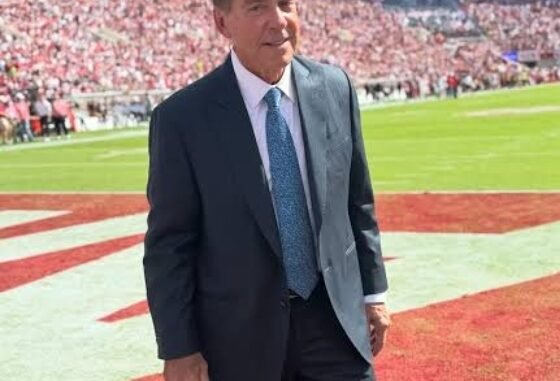
Nick Saban Pushes for College Football Reform: A New Mission After Retirement
Few figures in the history of college football carry the influence and authority of Nick Saban. After decades of dominance with the Alabama Crimson Tide and a legendary career that produced multiple national championships, Saban stepped away from coaching in 2024. Yet retirement has not meant stepping away from the sport he helped shape.
Instead, the legendary coach has embarked on a new mission: advocating for structural reform in college athletics. In March 2026, Saban became one of the central voices at a White House roundtable focused on the future of college sports. The discussion centered largely on two of the most controversial developments in modern college football the rise of Name, Image, and Likeness (NIL) deals and the increasingly powerful transfer portal.
At the event, Saban warned that the current system is becoming unsustainable and urged lawmakers, administrators, and sports leaders to work together to protect the future of college athletics.
His message was clear: college football is at a crossroads, and without meaningful reform, the sport could face serious long-term consequences.
From Legendary Coach to Reform Advocate
Nick Saban’s influence on college football is unparalleled. During his tenure at Alabama from 2007 to 2024, he built one of the greatest dynasties in the history of American sports. Under his leadership, Alabama won multiple national championships and produced dozens of NFL players.
Beyond wins and titles, however, Saban became known as one of the sport’s most thoughtful voices. He consistently emphasized discipline, player development, and education as the foundation of college athletics.
After retiring, Saban has remained deeply connected to the sport. Instead of coaching from the sideline, he now speaks from a broader platform addressing the policies and systems that shape college football.
The March 2026 White House roundtable represented one of the most high-profile discussions yet about the future of the NCAA and college sports governance. The meeting brought together government officials, conference commissioners, university leaders, and former coaches to discuss the growing challenges facing college athletics.
AP News
Saban was among the first speakers at the event, highlighting his continued leadership within the college football community.
Understanding the NIL Revolution
One of the central topics of discussion was the rapid rise of NIL deals.
NIL short for Name, Image, and Likeness refers to rules allowing college athletes to profit from endorsements, sponsorships, and personal branding opportunities. These changes were introduced after legal rulings forced the NCAA to relax long-standing restrictions on athlete compensation.
The new system has dramatically transformed college sports.
Top athletes now sign endorsement deals worth millions of dollars. Some high-profile recruits reportedly receive large financial packages before ever playing a college game.
While many believe NIL represents long-overdue fairness for athletes who generate enormous revenue for universities, others argue that the current system lacks structure and regulation.
Saban falls somewhere in the middle of that debate.
He has repeatedly stated that athletes deserve to be compensated. However, he believes the current NIL environment has shifted the focus away from education and long-term development.
“Players need to get compensated,” Saban said, but the system must maintain competitive balance and sustainability.
His concern is not with NIL itself, but with the absence of consistent national rules governing it.
The Transfer Portal and Its Impact
Another major issue discussed at the roundtable was the transfer portal.
The transfer portal allows college athletes to switch schools more easily than in the past. While it gives players greater freedom, critics say it has also created instability within college programs.
Coaches must now recruit their own players each offseason to prevent them from transferring to other schools offering better opportunities or larger NIL deals.
Saban has described the current environment as chaotic.
He argued that many players now make decisions based primarily on short-term financial gain rather than long-term development or education.
“People started making decisions about how much money they could make,” Saban explained, instead of focusing on building value for their future careers.
This shift, he believes, has altered the culture of college football.
Instead of developing players over several years within a program, teams now experience constant roster turnover.
The White House Roundtable: A National Discussion
The March 2026 roundtable marked a rare moment when political leaders and sports executives came together to address the state of college athletics.
Participants included conference commissioners, NCAA leadership, and prominent figures from across the sports world.
The Washington Post
The discussion focused on several key topics:
- Regulation of NIL deals
- Transfer portal rules
- Athlete compensation models
- The financial sustainability of college sports
- Protection of non-revenue sports programs
Government officials emphasized the need for national legislation to create consistent rules across all states.
Currently, different states have different NIL laws, creating an uneven playing field for universities and athletes.
Some schools operate under more permissive regulations than others, giving them advantages in recruiting.
This “patchwork” of rules has become a major concern for administrators and coaches.
The Threat to Smaller Sports Programs
Another key issue raised during the roundtable was the potential impact of NIL and rising football costs on other college sports.
Many universities rely on football revenue to fund non-revenue sports such as swimming, track and field, and gymnastics.
As football spending increases especially with NIL payments and recruiting competition some schools are struggling to maintain financial balance.
In some cases, athletic departments have already reported significant budget deficits.
Officials warned that without reform, Olympic and women’s sports programs could face cuts or reduced funding.
For Saban, protecting the broader ecosystem of college athletics is just as important as maintaining competitive football programs.
College sports have historically served as a pipeline for Olympic athletes and an important part of the American sports culture.
Education vs. Professionalization
Perhaps Saban’s most passionate point during the roundtable concerned the role of education in college athletics.
He argued that the conversation around college sports has shifted too heavily toward money.
“Nobody talks about getting an education anymore,” Saban said during the discussion.
Yellowhammer News
For decades, college athletics was built around the concept of student-athletes individuals who competed in sports while earning a degree.
Saban worries that the increasing professionalization of college sports could undermine that principle.
If college football begins to resemble professional leagues too closely, universities may struggle to maintain the academic mission that defines collegiate athletics.
Potential Solutions
Although the challenges facing college sports are complex, several potential solutions emerged during the roundtable.
Among the ideas discussed:
1. National NIL Standards
Federal legislation could create uniform NIL regulations across all states, ensuring fairness in recruiting and athlete compensation.
2. Transfer Portal Adjustments
Some leaders propose limits on transfer frequency or designated transfer windows to restore roster stability.
3. Revenue Sharing
A structured system allowing athletes to share in athletic department revenue could replace the current NIL marketplace.
4. Protection for Olympic Sports
Policies could ensure that non-revenue sports remain funded and supported.
5. Governance Reform
Changes to NCAA authority or new governing structures may help enforce rules more effectively.
Saban has emphasized that any solution must balance athlete rights with the long-term sustainability of college athletics.
Criticism and Debate
Not everyone agrees with Saban’s perspective.
Some critics argue that coaches and administrators are resisting NIL reforms because they reduce institutional control over athletes.
Others point out that college football programs generated billions of dollars for universities long before athletes were allowed to earn endorsement income.
These critics believe NIL simply gives athletes a fair share of the economic value they create.
The debate highlights a fundamental tension within college sports: balancing fairness for athletes with the financial realities of university athletics.
Saban’s Continued Influence
Even after leaving the sidelines, Nick Saban remains one of the most powerful voices in college football.
His decades of experience give him unique insight into how the sport has evolved.
More importantly, his reputation commands respect from players, coaches, administrators, and policymakers alike.
When Saban speaks about the future of college athletics, people listen.
His involvement in national policy discussions demonstrates how deeply the issues of NIL, athlete compensation, and governance have transformed the landscape of college sports.
Conclusion
Nick Saban’s career defined an era of college football excellence. Yet his influence may continue long after his coaching days ended.
Through his advocacy for reform, Saban is helping shape the next chapter of college athletics.
The rise of NIL deals and the transfer portal has fundamentally altered the structure of college sports, bringing both opportunities and challenges. While athletes now have greater financial freedom and mobility, the system has also created instability and financial pressure for universities.
At the White House roundtable in March 2026, Saban delivered a powerful message: college sports must find a new balance.
Athletes deserve compensation and opportunities, but the system must also preserve competitive fairness, educational priorities, and the sustainability of athletic programs across the country.
As lawmakers, administrators, and sports leaders continue to debate potential reforms, one thing is clear Nick Saban remains deeply committed to protecting the future of college football.
From building dynasties on the field to advocating for reform off it, Saban’s impact on the sport continues to evolve.
And just as he once guided teams to championships, he may now help guide college football through one of the most transformative periods in its history.
Leave a Reply