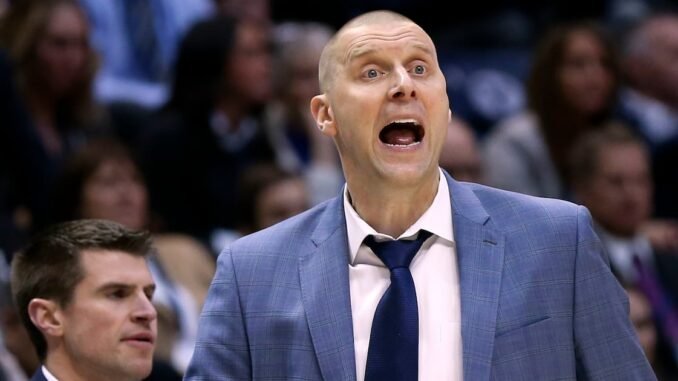
NCAA Approves Major Rule Changes for 2025-26 Men’s Basketball Season — Coach’s Challenge, Faster Reviews, and a Smoother Game Flow Incoming
The NCAA Playing Rules Oversight Panel made a series of landmark decisions on Tuesday aimed at modernizing the pace and management of men’s college basketball, officially approving a set of rule changes for the upcoming 2025-26 season.
Headlining the updates is the long-anticipated addition of a coach’s challenge system, along with new points of emphasis to cut down on delays, reduce unnecessary physicality, and streamline overall game flow. These changes mark one of the most comprehensive overhauls to the college game’s administrative mechanics in years.
Coach’s Challenge: Strategy Meets Accountability
In a move mirroring the NBA’s replay model, the NCAA will now allow head coaches to challenge specific plays at any point in the game a first for men’s college basketball. The allowable reviewable calls include:
- Out-of-bounds rulings
- Basket interference/goaltending violations
- Restricted-area (secondary defender) infractions
To initiate a challenge, a team must have at least one timeout remaining. A successful challenge allows the coach to retain a second and final challenge for the remainder of the game including overtime. However, an unsuccessful challenge will eliminate the team’s ability to issue another challenge for the rest of the contest.
Officials will still retain independent review power in the final two minutes of regulation and throughout overtime for goaltending and restricted-area calls. But notably, out-of-bounds reviews can only occur via coach’s challenge, a restriction meant to prevent excessive stoppages during crunch time.
Cutting the Fat: Cleaner, Faster Games
The panel also approved new officiating directives focused on game pace, aimed at addressing growing criticism over lengthy reviews, sluggish administrative resets, and excessive physicality disrupting the rhythm of games.
Key focus areas for officials in 2025-26 include:
- Minimizing delay-of-game tactics
- Reducing time spent at the monitor for video reviews
- Improving communication and administrative efficiency between officials, scorers, and teams
- Tightening enforcement on excessive contact to promote freer offensive movement
These points of emphasis are designed to clean up the product on the court without overhauling the game’s core structure, with an eye toward making the college basketball experience smoother for players, coaches, and viewers alike.
What This Means for the Game
For coaches, the introduction of a challenge system introduces a new layer of tactical decision-making. Timeouts will now double as challenge currency, meaning that managing game stoppages becomes even more crucial. The pressure to challenge a potentially game-altering call must now be balanced against preserving timeout flexibility particularly in close games.
For officials, the new rules attempt to strike a balance between ensuring accuracy and maintaining momentum. The NCAA’s data-driven conclusion that reviews for restricted-area and goaltending calls result in minimal interruption likely influenced the decision to broaden their scope without fear of bogging down the game.
For fans, this could mean a noticeable improvement in how smoothly games unfold. With clearer limits on reviews, fewer mid-game stoppages, and a cleaner on-court product, the 2025-26 season could usher in a faster, smarter, and more modern era of college hoops.
Looking Ahead
While the NCAA continues to resist full NBA-style integration of tech tools like real-time player tracking and expanded coach’s challenges, Tuesday’s announcement represents a major step forward for a sport that has at times struggled to balance tradition with progress.
As programs begin offseason training, and summer exhibitions loom, coaches and players alike will be preparing for more than just basketball. They’ll be adjusting to a rulebook that now brings accountability, urgency, and opportunity to a whole new level.
Let the 2025-26 chess match begin.
Leave a Reply