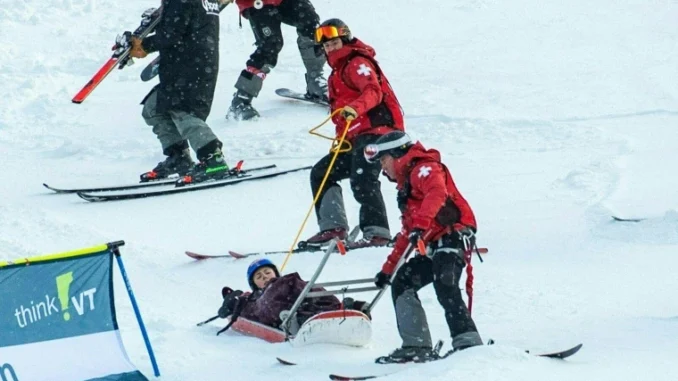
The conversation around Mikaela Shiffrin has shifted once again, and this time it is not about medals or records. It is about resilience. After her recent injury setback, the American star is now in the middle of a careful and closely watched recovery process that has the entire skiing world paying attention.
In elite alpine skiing, injuries are an unfortunate reality. The sport demands speed, precision, and fearlessness on terrain that leaves no room for hesitation. Even the most technically sound athletes face risk every time they leave the start gate. For Shiffrin, who has spent years setting the standard for consistency, this pause in competition feels especially significant.
What stands out is how measured her approach has been since the setback. Rather than rushing back into full intensity training, the focus has been on controlled progression. Each step forward is deliberate. Each session is about rebuilding strength, balance, and confidence in movements that once felt automatic. It is a reminder that recovery at this level is not just physical repair but recalibration.
Those close to the U.S. team have described her mindset as focused and patient. That combination has defined much of her career. Shiffrin has always been known for discipline, for trusting process over panic. Now that same mentality is being applied away from the spotlight of race day, inside gyms, rehab centers, and quiet training slopes.
For fans, updates about her recovery have carried a different emotional weight than normal race previews. Support has poured in from around the world, with many expressing admiration not just for what she has won, but for how she handles adversity. It is in these quieter chapters that the depth of an athlete’s character often becomes most visible.
Her absence from recent races has also changed the competitive dynamic. Younger athletes have stepped into the spotlight, seizing opportunities, but many still speak openly about measuring themselves against the level Shiffrin set. Even sidelined, her presence is felt. She remains the reference point, the name that defines the standard of excellence in the sport.

There is also a broader sense that this recovery period could mark an important turning point. Athletes who return from setbacks often come back with a renewed sense of clarity. Forced breaks can sharpen perspective, allowing competitors to reconnect with why they race in the first place. For someone as driven as Shiffrin, that reset could become a powerful advantage when she returns.
Of course, questions remain about timing. Ski seasons move quickly, and the calendar does not slow down for anyone. But those who know her career best understand that long term readiness matters more than short term appearances. A fully prepared Shiffrin later is far more dangerous than a rushed comeback now.
Every stage of her progress is being watched closely. Small milestones that might go unnoticed for others have become headline moments. A return to snow. A full intensity training run. A confident set of turns. Each sign of forward movement carries the quiet message that the comeback is building, piece by piece.
In many ways, this chapter adds another layer to a legacy already filled with historic achievements. Dominance shows greatness, but resilience reveals depth. The way Shiffrin navigates this period may end up being remembered just as strongly as her record breaking victories.
The slopes will feel different when she returns to the start gate. There will be anticipation, nerves, and the electric sense that something important is happening. Because when Mikaela Shiffrin races again, it will not just be about chasing another podium. It will be about completing a journey back from one of the toughest challenges of her career.
And if her history is any guide, that return could be just as powerful as any win.
Leave a Reply